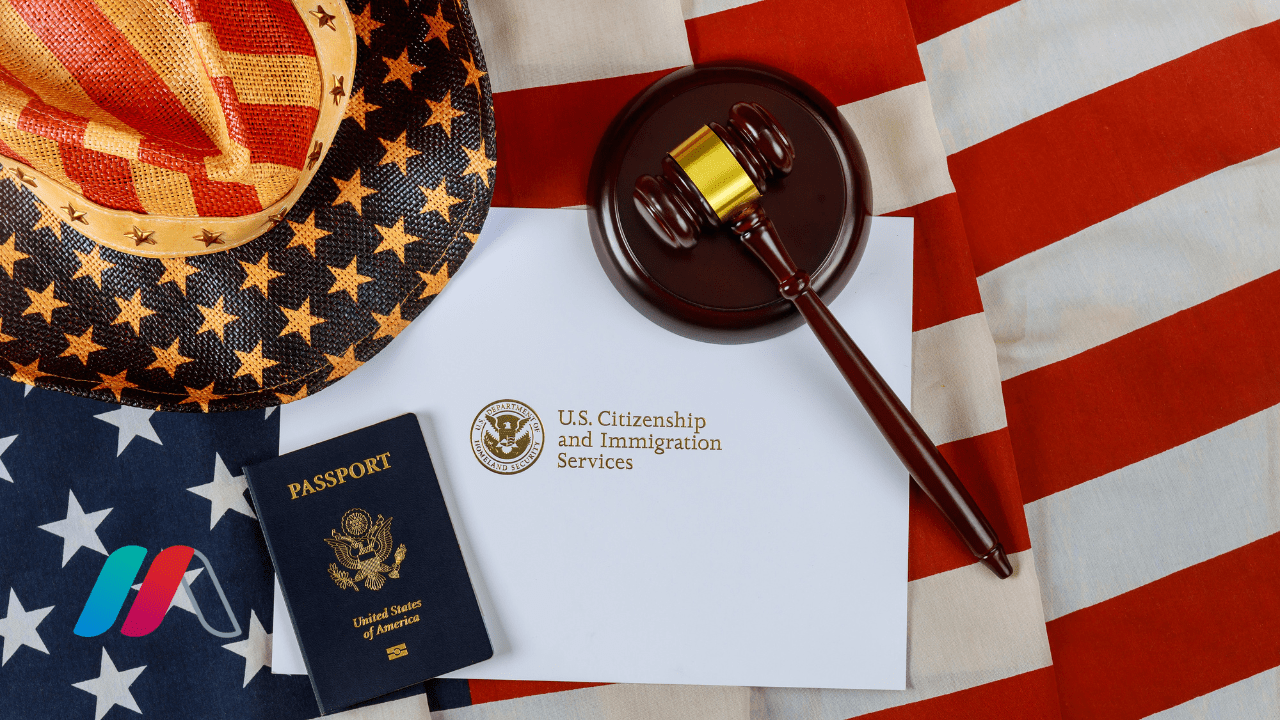
The US has introduced new visa rules that will require many international students and exchange visitors to seek government approval if their programs last longer than four years.
The United States has introduced new immigration rules that will change how long many international students, exchange visitors, and foreign journalists can remain in the country.
Under the new policy announced by the Department of Homeland Security (DHS), holders of F, J, and I visas will no longer be admitted under the long-standing "Duration of Status" (D/S) system, which allowed them to stay in the US for as long as they maintained their legal status and continued their approved studies or exchange program.
Instead, eligible visa holders will generally be admitted for the duration of their program, up to a maximum of four years. Those who need additional time to complete their studies or program will be required to apply to U.S. Citizenship and Immigration Services (USCIS) for an extension.
Why are the rules changing?
According to DHS, the previous system allowed some individuals to remain in the United States for extended periods by repeatedly extending their studies or moving between academic and exchange programs. Officials say the new policy will strengthen immigration oversight by requiring periodic reviews of whether visa holders continue to meet the conditions of their status.
Who will be affected?
The new rules apply to holders of:
F visas – International students attending US colleges and universities.
J visas – Participants in educational, research, and cultural exchange programs.
I visas – Foreign journalists and media professionals working in the United States.
Who could be most impacted?
The changes are expected to affect several groups in particular, including:
PhD students whose doctoral programs typically take longer than four years.
Students whose graduation is delayed because of research, dissertation work, medical leave, or other academic reasons.
Long-term J-1 researchers and scholars.
Graduates planning to complete Optional Practical Training (OPT), including STEM OPT, before transitioning to employment visas.
Students pursuing multiple consecutive degrees, such as a bachelor's, master's, and PhD.
What happens after four years?
The new policy does not require students to finish their studies within four years or automatically leave the country. However, if their academic program extends beyond the initial admission period, they must submit a separate application to USCIS requesting additional time.
Approval will no longer be automatic. Applicants will need to demonstrate that they continue to meet all visa requirements and remain eligible to complete their studies or exchange program.
What does this mean for international students?
While the new rules do not prevent international students from studying in the United States, they introduce additional paperwork, government review, and potential costs for those enrolled in longer academic programs.
Universities and higher education organizations have expressed concern that the policy could make the US a less attractive destination for international students, particularly those pursuing graduate research and STEM degrees that often require more than four years to complete.
Source: U.S. Department of Homeland Security (DHS), Reuters, and the Associated Press (AP).